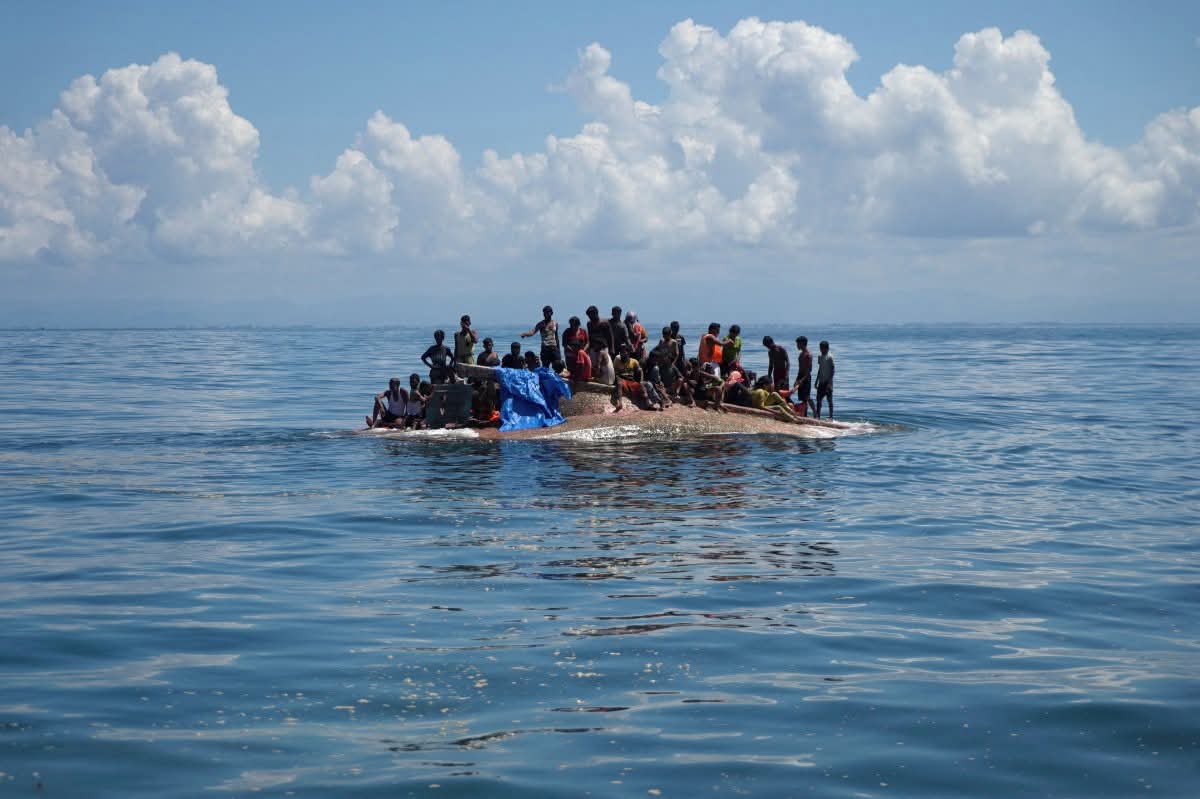
The United Nations High Commissioner for Refugees (UNHCR) has documented that 2025 represented the most lethal year on record for Rohingya maritime movements in South and Southeast Asia.
Nearly 900 individuals from this community were reported dead or missing in the Andaman Sea and Bay of Bengal.
This alarming toll affected more than one in every seven of the estimated 6,500 Rohingya who embarked on these hazardous voyages, resulting in the highest mortality proportion observed among any significant global refugee or migrant sea route.
Such perilous journeys are primarily driven by persistent insecurity in Myanmar and dire living conditions within overcrowded refugee settlements in Bangladesh.
The UNHCR has poignantly characterized these waters as an unmarked graveyard for thousands of vulnerable people fleeing in search of safety and dignity.
Regrettably, the pattern of dangerous crossings has continued into 2026, as evidenced by recent incidents, including a capsizing event that claimed numerous lives These statistics serve as a sobering reminder of the imperative for concerted international action.
Addressing the underlying drivers of displacement, expanding protected migration channels, and strengthening regional collaboration are essential to avert further tragedies and deliver lasting solutions for the Rohingya population.
The UNHCR continues to advocate for enhanced protection measures and support for survivors while urging global solidarity in this humanitarian crisis.