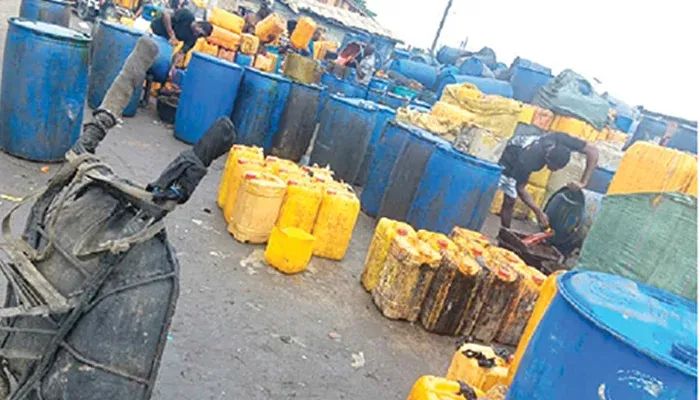
In Nigeria, unscrupulous merchants are increasingly tampering with palm oil—a key ingredient in many households—by adding synthetic colorants, water, and other hazardous substances to boost volume and enhance appearance.
This practice, driven primarily by the pursuit of higher profits amid rising demand and supply shortages, transforms an essential cooking staple into a potential source of widespread health risks, as contaminated products flood local markets.
Health authorities and specialists have highlighted the dangers posed by these additives, particularly industrial-grade dyes like Sudan IV, which are not intended for human consumption and are known to be carcinogenic.
Prolonged exposure through regular use in meals can contribute to serious conditions, including organ damage, digestive issues, and elevated cancer risks, effectively creating a hidden public health crisis that disproportionately affects everyday consumers.
Regulatory bodies such as NAFDAC continue to issue alerts and conduct surveillance, urging the public to purchase from reputable sources, inspect for natural reddish hues and consistency, and report suspicious products.
Experts emphasize the need for stronger enforcement, consumer education, and increased domestic production to curb this ongoing threat and protect public well-being.