









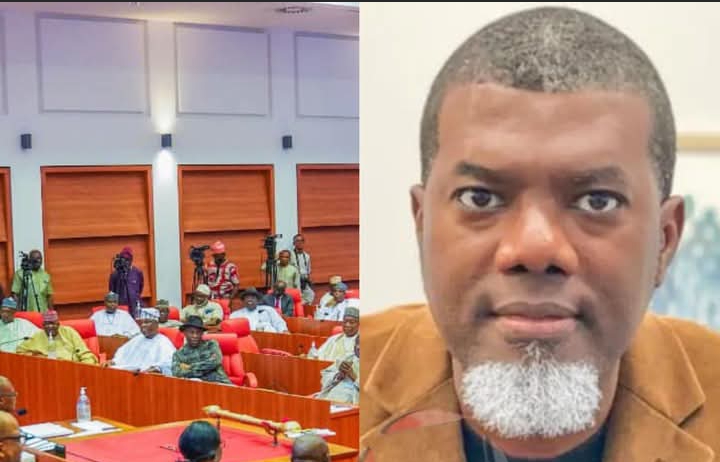
The Nigerian Senate is deeply divided over the inclusion of Reno Omokri, a former presidential aide and prominent social commentator, in a list of 32 ambassadorial nominees forwarded by President Bola Ahmed Tinubu.
The primary objection stems from Omokri’s past public statement labelling the President a “drug baron,” which several senators regard as incompatible with the decorum required of Nigeria’s diplomatic representatives. Senate President Godswill Akpabio is widely reported to have initially backed Omokri’s nomination, ostensibly in recognition of the nominee’s recent political allegiance to the administration.
Leading the opposition is Senator Osita Ngwu (Enugu West), who contends that an individual who has previously insulted the President cannot credibly project Nigeria’s image abroad. Ngwu has actively lobbied colleagues to block the nomination, arguing that confirming Omokri would diminish the dignity of the presidency and set an unacceptable precedent for diplomatic appointments.
The debate has exposed underlying tensions between political patronage and the perceived need to uphold institutional respect and national honour.Tensions within the upper chamber reached an unusual peak when the Senate’s official WhatsApp group was suddenly locked following acrimonious exchanges. Senator Natasha Akpoti-Uduaghan publicly called for the platform to be reopened and deleted messages restored, while sources indicate that Senate President Akpabio has begun distancing himself from the nomination and is now quietly mobilising support against it.
With screening of the ambassadorial nominees scheduled to commence this week, the controversy underscores broader questions about the balance between freedom of expression, shifting political loyalties, and the standards expected of Nigeria’s envoys.
