









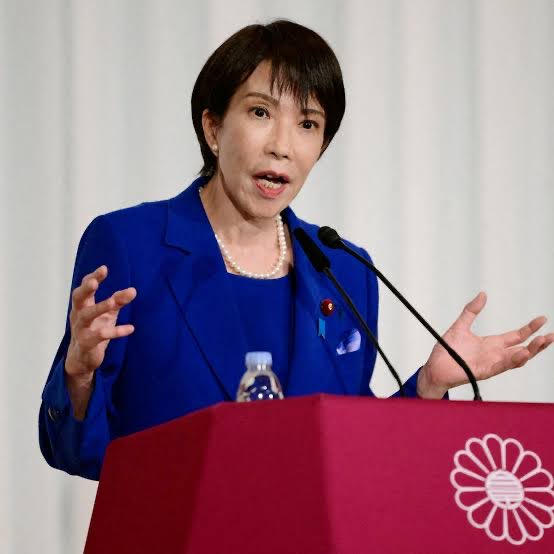
Japanese Prime Minister Sanae Takaichi told a legislative committee on Thursday that she sleeps only two to four hours each night, a revelation that has reignited scrutiny of Japan’s notoriously long work hours.
When asked about the government’s efforts to curb overtime, she quipped that the shortage of sleep was “bad for my skin,” but she also stressed that systemic reforms are needed to protect workers’ health.
The comment follows a highly publicized incident in which Takaichi convened a staff meeting at 3 a.m. to prepare for a parliamentary session.
The early‑morning gathering, which lasted nearly three hours, drew sharp criticism from opposition lawmakers and labor advocates, who warned that it set an unrealistic example and could increase the risk of “karoshi” death from overwork.
In response, the prime minister defended her personal schedule, saying that while she chooses to work extensive hours, any future legislation on overtime limits would prioritize employee well‑being.
She highlighted the diversity of employment conditions in Japan, noting that some individuals must juggle multiple jobs to make ends meet, while many companies already impose strict caps on extra hours.
Takaichi reiterated her commitment to creating a flexible framework that allows citizens to balance work, childcare, caregiving, leisure and rest according to their own preferences.The episode has intensified the national debate over work‑life balance.
Supporters argue that a strong work ethic is essential for economic growth, while critics contend that the prime minister’s own habits undermine efforts to reduce overwork.
As the discussion continues, the government will need to reconcile its productivity goals with the pressing need to safeguard the health and dignity of Japanese workers.
