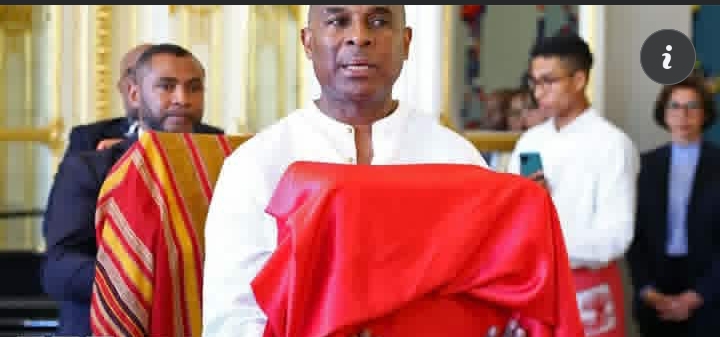
In a significant gesture of cultural repatriation, France has returned the skull of King Toera of Madagascar, who was killed and decapitated by French colonial troops in 1897. The remains were kept in Paris for nearly 130 years before being handed over to Malagasy officials in a ceremony. This act is part of a broader effort by France to address its colonial legacy and return human remains and artifacts to their countries of origin.
The return of King Toera’s skull is a meaningful step towards healing historical wounds and acknowledging the atrocities committed during colonial times. Madagascar has been seeking the return of the king’s remains for decades, and this development marks a significant moment in the country’s history.
The ceremony in Paris underscored the importance of cultural repatriation and the need for countries to come to terms with their past.The French government has implemented a new law aimed at returning human remains taken during colonial times.
This law reflects a growing recognition of the need to address the legacy of colonialism and provide closure for communities affected by historical atrocities. The return of King Toera’s skull is a testament to the efforts being made to rectify past wrongs and promote cultural understanding.
The handover ceremony in Paris was attended by officials from both France and Madagascar. It marked a significant moment in the relationship between the two countries, highlighting the importance of cultural cooperation and mutual respect.
The return of King Toera’s remains is a powerful symbol of France’s commitment to acknowledging and making amends for its colonial past.The return of King Toera’s skull to Madagascar is a poignant reminder of the complexities of history and the importance of cultural repatriation.
As countries continue to grapple with their colonial legacies, this gesture serves as a model for future efforts to return cultural artifacts and human remains to their rightful homes. It also underscores the value of international cooperation and the need for countries to work together to address historical injustices.