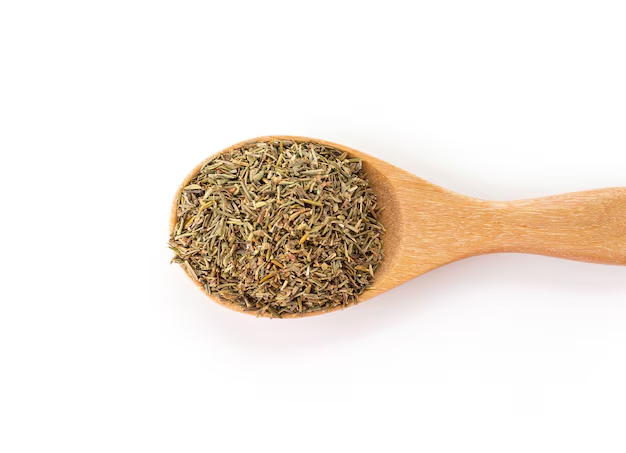
Thyme (Thymus vulgari) is a perennial herb belonging to the mint family (Lamiaceae), originating from the Mediterranean region, specifically in mountainous areas of Spain, France, Italy, and Greece. It’s a low-growing, woody shrub with small, fragrant leaves and pink to purple flowers, widely cultivated for culinary, medicinal, and ornamental uses. Thyme is prevalent in many countries, including the Mediterranean region, Europe, North Africa, Middle East, North America, South America, and Australia, valued for its versatility in various cuisines and medicinal properties, including antibacterial and antifungal activities.
Here are 5 benefits of Thyme
- Antimicrobial Properties: Thyme contains compounds like thymol and carvacrol, which have antibacterial, antifungal, and antiviral properties, making it effective against infections.
- Cough Relief and Respiratory Health: Thyme’s essential oils help relieve coughs, congestion, and respiratory issues, such as bronchitis and asthma.
- Antioxidant Properties: Thyme is rich in antioxidants, which protect the body from damage caused by free radicals, reducing the risk of chronic diseases like cancer, heart disease, and neurodegenerative disorders.
- Digestive Health: Thyme’s oils have anti-inflammatory properties, which may help alleviate digestive issues like bloating, gas, and diarrhea.
- Skin and Wound Healing: Thyme’s antimicrobial properties can help prevent infection and promote healing in wounds, cuts, and skin conditions like acne and eczema.