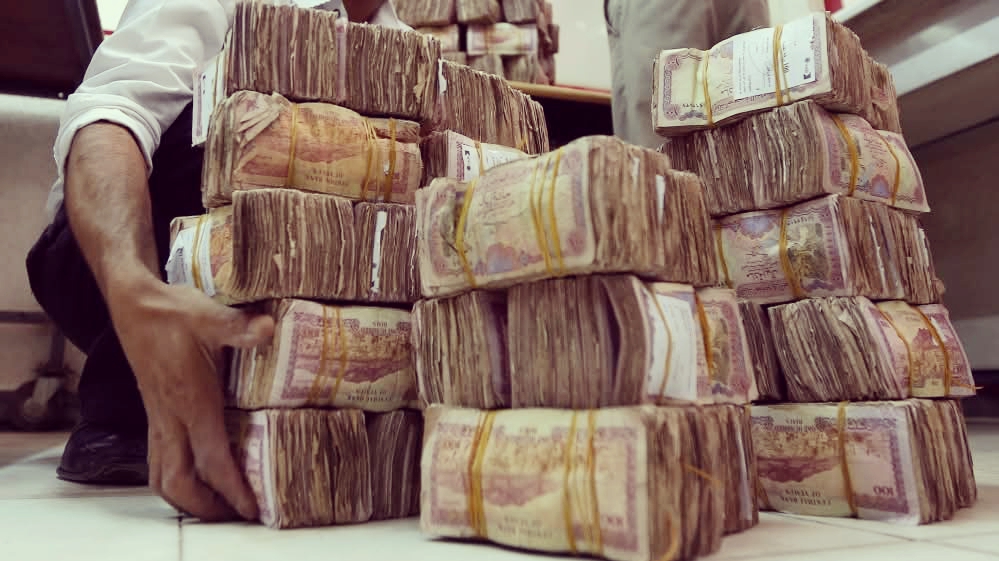
Yemen continues to grapple with acute liquidity constraints, even as recent monetary interventions have achieved a measure of currency stabilisation.
In mid-2025, the Yemeni rial experienced a sharp depreciation, reaching historic lows against the US dollar in government-controlled areas.
Subsequent policy measures implemented by the Central Bank helped strengthen the currency and curb excessive volatility, yet these gains have not translated into improved access to physical cash for businesses and households.
The persistent shortage of banknotes and hard currency has severely restricted withdrawals, salary disbursements, and everyday commercial transactions.
This liquidity crisis is compounded by longstanding structural challenges, including halted oil and gas exports, fragmented banking operations across divided regions, and limited foreign reserves.
As a result, many citizens face difficulties in obtaining sufficient funds for basic needs, despite the relative steadiness of exchange rates in recent months.
Broader economic pressures, such as elevated inflation and reduced purchasing power, continue to undermine household resilience and business activity.
Addressing the underlying causes of cash scarcity will require sustained reforms, enhanced revenue generation, and improved coordination within the financial system to convert currency stability into tangible relief for the population.
Without targeted interventions, these constraints risk prolonging economic hardship across the country.