









Pakistan has dispatched a squadron of fighter jets and support aircraft to Saudi Arabia as part of a mutual defence agreement signed in 2025.
The deployment, which arrived at King Abdulaziz Air Base in the kingdom’s Eastern Province on Saturday, represents the first visible military cooperation under the pact.
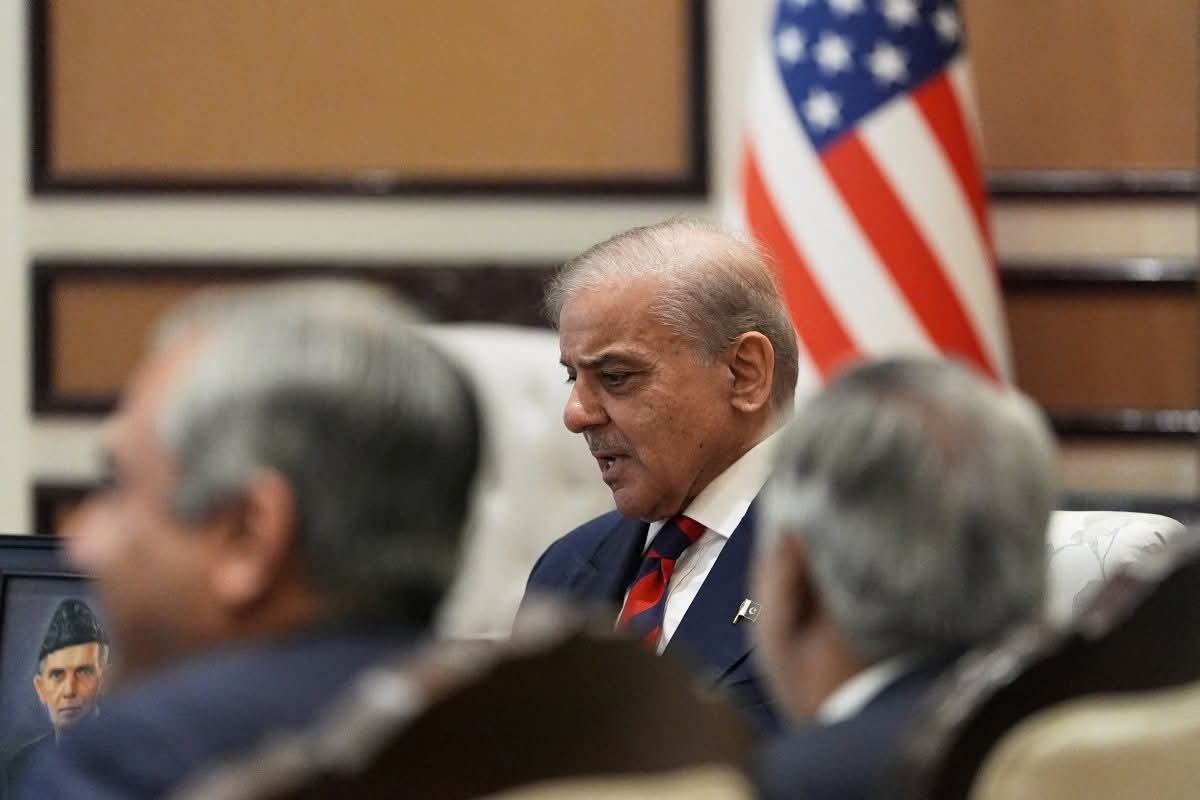
Saudi Arabia’s Ministry of Defence described the move as aimed at enhancing joint security capabilities and contributing to broader regional stability. The arrival of Pakistani aircraft coincides with sensitive ceasefire negotiations between the United States and Iran, hosted by Islamabad.
Senior delegations from both sides are engaged in direct talks in the Pakistani capital, facilitated by Pakistani mediators, following weeks of regional conflict involving the US, Israel, and Iran.
This simultaneous diplomatic and military engagement highlights Pakistan’s multifaceted role as both a security partner to Saudi Arabia and a neutral facilitator in efforts to de-escalate tensions.
view the deployment as a strategic signal of strengthened bilateral ties between Pakistan and Saudi Arabia at a time of fragile truce. The aircraft are intended to bolster defensive readiness in the Gulf, particularly in light of recent threats to energy infrastructure.
While the ceasefire remains tentative, the development underscores Pakistan’s deepening involvement in Gulf security dynamics alongside its diplomatic initiatives.
Alternative Paraphrased VersionStrengthened Military Ties: Pakistan Sends Fighter Aircraft to Saudi Arabia During Fragile US-Iran TruceIn a notable demonstration of their strategic partnership, Pakistan has transferred fighter and support jets to Saudi Arabia pursuant to a bilateral defence accord established the previous year.
The contingent landed at a key air base in Saudi Arabia’s Eastern Province, marking an operational step in long-standing military collaboration between the two nations. Riyadh officially confirmed the arrival, emphasising its contribution to collective defence preparedness.
This military movement occurs concurrently with high-level peace discussions between American and Iranian representatives taking place in Islamabad. Pakistan is actively mediating the talks, which seek to solidify a temporary halt to hostilities that have affected the wider Middle East.
The parallel activities illustrate Islamabad’s delicate balancing act between alliance commitments and regional peacemaking efforts.
Observers note that the deployment serves to reinforce Saudi defensive posture amid lingering uncertainties surrounding the ceasefire.
It reflects Pakistan’s commitment to supporting its Gulf ally while pursuing diplomatic avenues to promote stability. The development may influence the trajectory of ongoing negotiations and future security arrangements in the Persian Gulf area.
