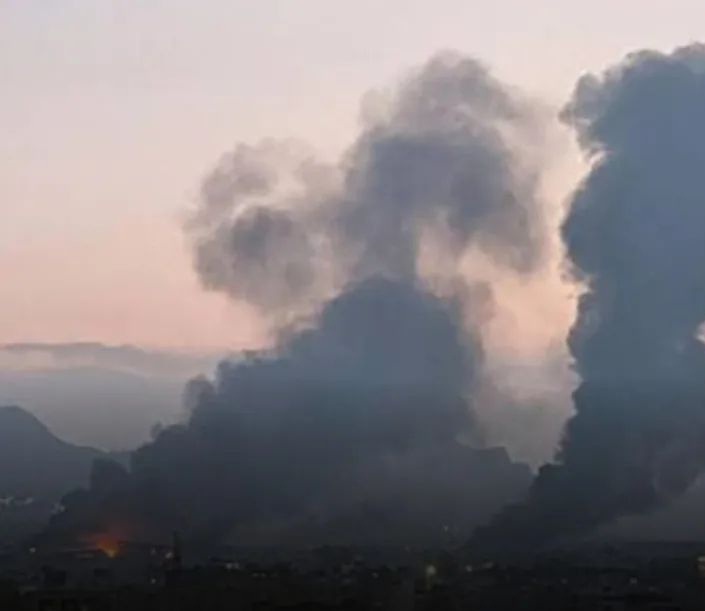
QatarEnergy’s CEO and Minister of State for Energy Affairs, Saad al-Kaabi, disclosed in an exclusive Reuters interview that recent Iranian missile strikes have severely damaged key infrastructure at the Ras Laffan Industrial City, the world’s largest liquefied natural gas (LNG) complex.
The attacks targeted two of Qatar’s 14 LNG processing trains and one gas-to-liquids facility, resulting in the immediate loss of approximately 17% of the country’s total LNG export capacity. This equates to an annual production shortfall of about 12.8 million tonnes, with full repairs projected to take between three and five years.
The financial impact is substantial, with al-Kaabi estimating annual revenue losses of around $20 billion during the outage period. Beyond LNG, the damage extends to related products such as condensate, liquefied petroleum gas (LPG), helium, and naphtha exports.
QatarEnergy may need to invoke force majeure clauses on long-term supply agreements, potentially affecting deliveries to important customers in Europe—including Italy and Belgium—and Asia, notably China and South Korea.
These developments have heightened concerns over global energy security amid the ongoing regional conflict, as Qatar remains a leading supplier of LNG worldwide.
The strikes, described by al-Kaabi as unprecedented and unexpected—particularly during Ramadan from a neighboring nation—underscore the vulnerabilities of critical energy assets in the Gulf and could lead to prolonged tightness in international natural gas markets.