









Former U.S. House Speaker Newt Gingrich recently put forward a highly unconventional solution to the persistent security challenges surrounding the Strait of Hormuz, one of the world’s most strategically vital — and vulnerable — maritime passages.
Rather than relying on ongoing naval patrols or diplomatic pressure to counter potential Iranian interference, he recommended a bold, large-scale infrastructure project: the excavation of an entirely new shipping channel located in friendly territory.
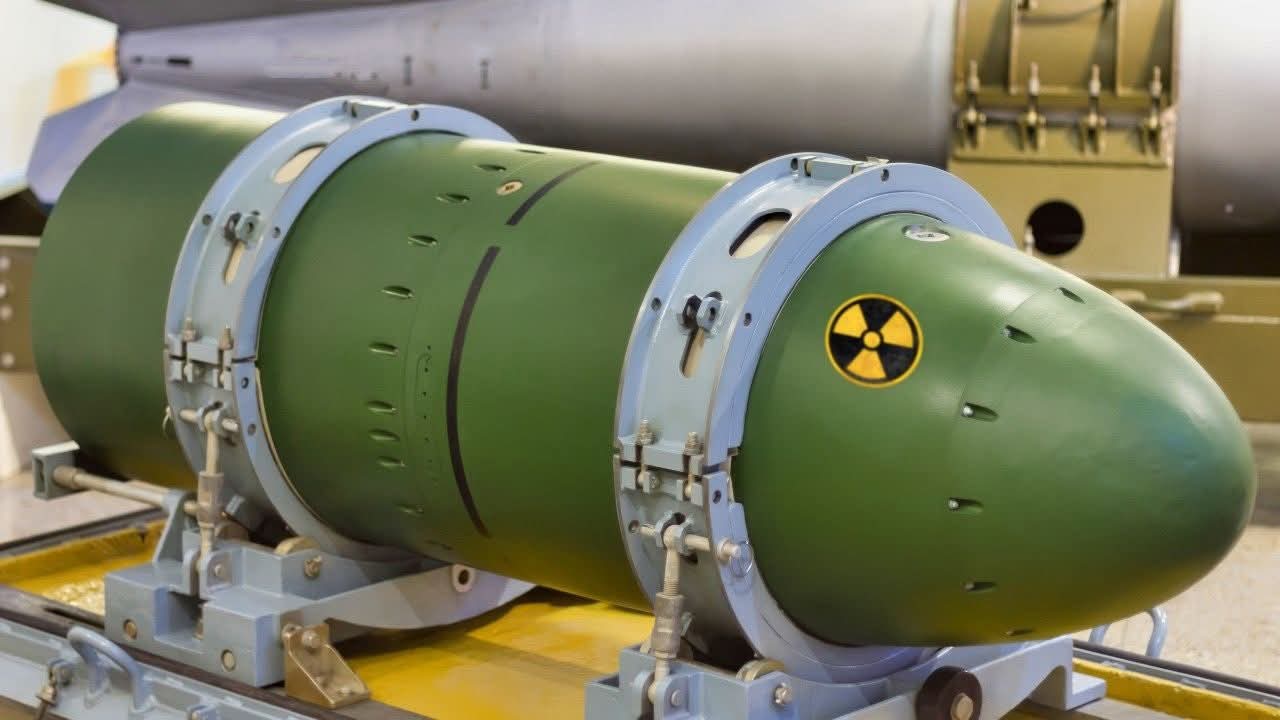
To achieve this, Gingrich suggested employing approximately a dozen thermonuclear detonations as a means of rapidly carving out the waterway.
He envisioned the finished channel as a superior alternative to existing global routes, surpassing the Panama Canal in width and the Suez Canal in depth, while offering dramatically improved protection against hostile disruption.
In Gingrich’s view, such an artificially created passage would provide a reliable, attack-resistant alternative for international shipping, particularly for oil and gas exports from the Persian Gulf.
By removing dependence on the narrow and geopolitically exposed Strait of Hormuz, the project — if ever realized — could fundamentally reshape regional maritime security and global energy logistics.
The provocative proposal, shared via social media, has sparked widespread discussion about its technical, environmental, legal, and strategic feasibility.
