









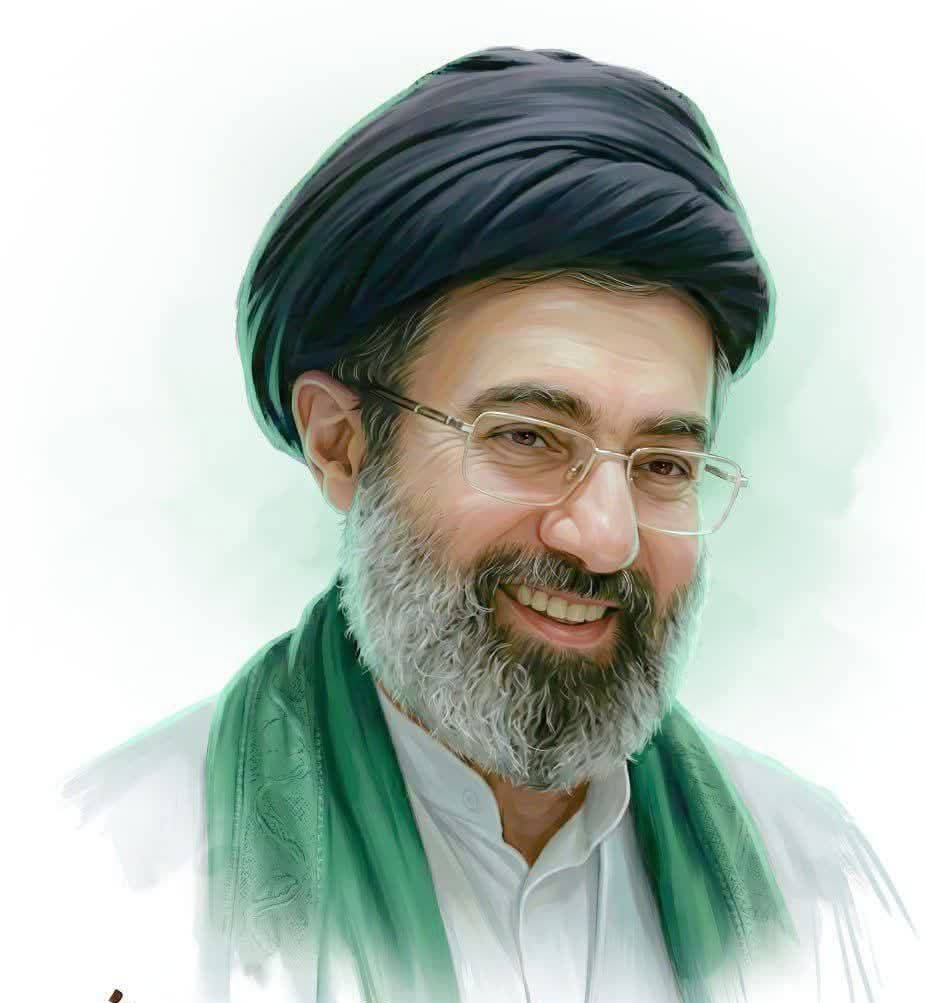
Iranian state media has officially announced that Mojtaba Khamenei, the second son of the late Ayatollah Ali Khamenei, has been selected as the country’s new Supreme Leader.
The decision was made by the Assembly of Experts, the clerical body responsible for choosing the supreme leader, following a reported decisive vote.
This marks a significant and unprecedented transition in the Islamic Republic, as leadership passes from father to son for the first time since the 1979 revolution, amid the ongoing conflict that has engulfed the region.
The appointment comes shortly after the death of Ayatollah Ali Khamenei, who was killed on February 28, 2026, in a joint U.S.-Israeli aerial strike on Tehran that targeted high-ranking regime figures.
In the same attack that claimed his father’s life, Mojtaba Khamenei tragically lost his wife and one of his sons, compounding the personal devastation amid the broader national crisis.
The strikes initiated a wider war, prompting emergency succession procedures and an interim leadership arrangement before the formal selection.
Mojtaba Khamenei, aged 56 and a mid-level Shia cleric who has long wielded considerable influence behind the scenes—particularly through ties to the Islamic Revolutionary Guard Corps—now assumes the highest authority in Iran.
His elevation has drawn international attention and concern, with reports indicating pledges of allegiance from military and political leaders, while also raising questions about stability, hereditary rule, and potential escalation in the conflict.
The new leader faces the immediate challenge of guiding the nation through active hostilities and internal pressures.
