









The Abia State government recently lifted a seal that had been placed on a property linked to Deputy Speaker of the House of Representatives, Benjamin Kalu.
The decision, announced by Governor Alex Otti’s administration, was framed as a routine administrative action rather than a politically motivated maneuver. According to state officials, the property in question, situated on Ojike Lane in Umuahia, had been sealed earlier as part of a broader effort to enforce compliance with local tax and land‑use regulations. The unsealing occurred after the owner submitted the required documentation and cleared the outstanding obligations, prompting the state to restore full control of the asset to its rightful owner.
The background to the dispute dates back several years, when the Harmonised Task Force—a body responsible for enforcing municipal regulations—identified the property as being in arrears on ground rent dating as far back as 1982. The task force subsequently obtained a court order to seal the premises until the debts were settled.
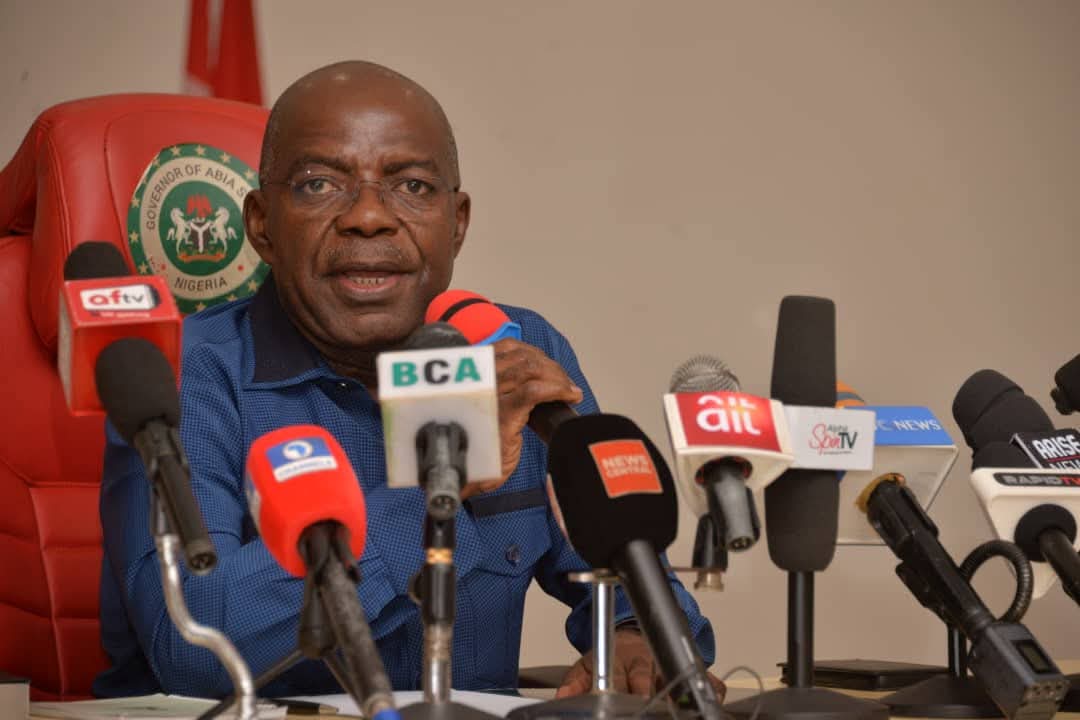
This action, while consistent with the state’s enforcement policies, attracted significant attention due to the high‑profile nature of the owner. Critics, particularly within opposition circles, speculated that the sealing and subsequent unsealing were orchestrated to exert political pressure on Kalu, who is a prominent figure in the ruling party.Governor Otti addressed these concerns in a press briefing, emphasizing that the state’s actions were guided solely by legal and fiscal considerations.
He noted that the enforcement drive was part of a statewide campaign aimed at improving revenue collection and ensuring that all property owners adhere to statutory obligations, regardless of their political affiliations.
The governor’s chief press secretary, Ukoha Ukoha, reiterated that the unsealing was a “standard procedural step” following the resolution of the outstanding dues, and that no preferential treatment had been afforded to any individual.The episode raises important questions about the intersection of politics and administration in Nigeria’s federal system.
While it is not uncommon for state governments to pursue delinquent tax payments vigorously, the involvement of a nationally prominent political figure adds a layer of scrutiny that can easily be interpreted through a partisan lens. Legal experts suggest that transparency in the enforcement process is crucial to maintaining public trust, particularly in environments where accusations of political witch hunts are frequent.
They recommend that states publish detailed records of enforcement actions to dispel perceptions of bias.In the aftermath of the unsealing, the Abia State government has signalled its intention to continue the broader compliance initiative, with a particular focus on properties that have long evaded regulatory scrutiny.
Officials have warned that any future violations will be met with similar measures, while also assuring the public that essential institutions such as churches, hospitals, and schools will remain exempt from such actions due to their societal importance.
As the matter settles, it serves as a case study in the challenges of balancing lawful enforcement with the political realities that often accompany high‑profile individuals in Nigeria’s complex governance landscape.