









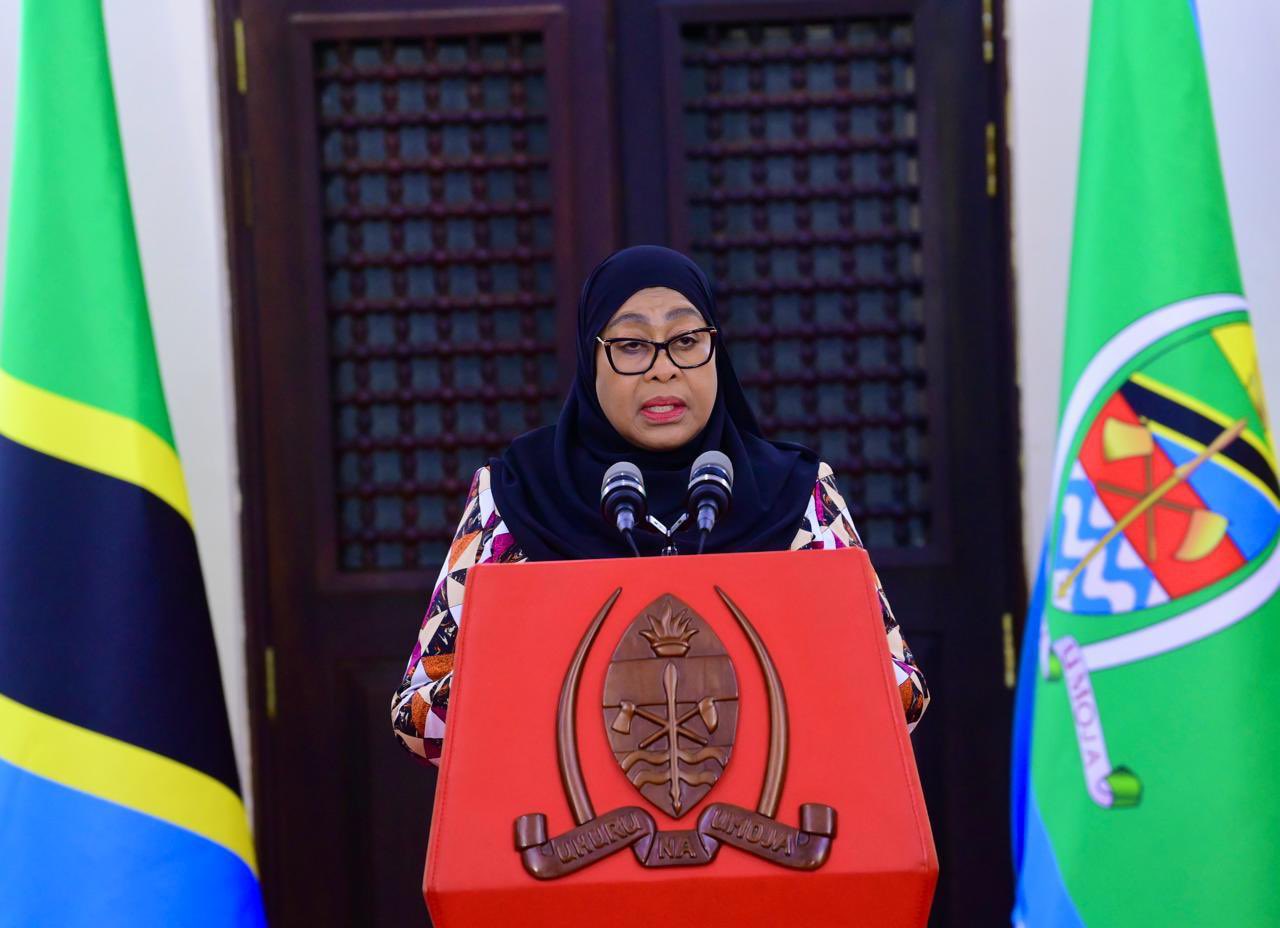
Tanzania’s President Samia Suluhu Hassan recently announced a major cabinet reshuffle, appointing her daughter, Wanu Hafidh Ameir, as Deputy Minister of Education and her son‑in‑law, Mohamed Mchengerwa, as Minister of Health.
The appointments were made during a State House ceremony in Dodoma on Monday, where the president also unveiled a 27‑member cabinet and 29 deputy ministers, marking a comprehensive overhaul following the October 29 election.
The changes have drawn sharp criticism from opposition figures, who accuse the president of nepotism and warn that consolidating power within the family could erode democratic standards.
The election itself was marred by violence, an internet blackout, and a reported voter turnout of about 82 %, with President Samia securing roughly 98 % of the vote a result that many international observers have questioned.
In addition to the family appointments, the new cabinet features several familiar faces. Khamis Musa Omar has been assigned the finance portfolio, Mahmoud Thabit Kombo remains foreign minister, and Ridhiwani Kikwete, son of former president Jakaya Kikwete, has been named Minister for Public Service Management and Good Governance.
A newly created Youth Development ministry, led by Joel Nanauka, reflects the administration’s stated emphasis on youth empowerment.
Overall, the reshuffle signals a strategic realignment of the government, blending seasoned politicians with new talent while attempting to address the nation’s post‑election challenges.
However, the perception of familial influence continues to dominate public discourse, casting a shadow over the intended reforms.
