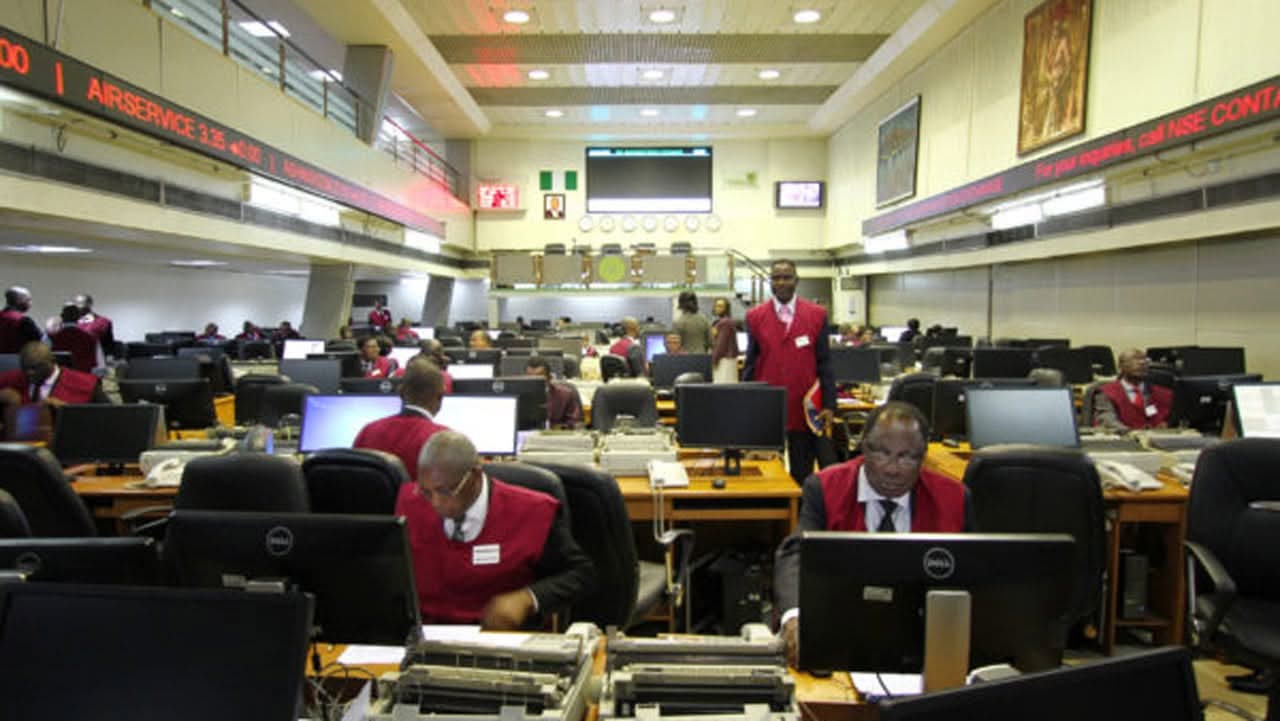
Tuesday’s session on the Nigerian Exchange Limited turned into a brutal sell‑off, wiping N4.64 trillion off the market’s total capitalisation in a single day. The All‑Share Index tumbled 5.01 percent, landing at 141,327.30 points.
its sharpest drop since 2010, according to analysts. The plunge dragged the benchmark index down by seven thousand points, erasing billions of naira in investor wealth and sparking fresh worries about market stability.
The bearish mood was fuelled by profit‑taking, concerns over currency volatility and the recent hike in capital‑gains tax for foreign investors. As the index fell, the market value of the exchange‑listed companies slipped to about N89.75 trillion, a loss of N4.64 trillion from the previous close.
The decline was broad‑based, with major blue‑chips such as Dangote Cement, MTN Nigeria and Access Holdings all shedding between 5 and 10 percent of their share price.
Market participants described the move as the worst single‑day collapse in more than a decade. “We haven’t seen a drop of this magnitude since the 2010 crisis,” said one senior analyst, who asked not to be named.
The sell‑off also came on the heels of a recent report that the NGX’s market capitalisation had slipped by $27.8 billion after the naira’s unification earlier in the year, highlighting the sensitivity of Nigerian equities to exchange‑rate shocks
Trading volume surged as investors rushed to exit positions, with over 655 million shares changing hands and total value traded climbing to N29.4 billion. The heightened activity underscored the panic that can grip the market when macro‑economic headwinds align.As the dust settles, regulators are expected to issue a statement reassuring investors and possibly intervene to restore confidence.
For now, the NGX remains under pressure, and market watchers will be monitoring the next few sessions for signs of a rebound or further deterioration.Looking ahead, analysts caution that the index may test the 140,000‑point level if selling pressure persists, but they also note that Nigeria’s underlying economic fundamentals a consumer base, reforms and a workforce could provide a cushion. Should the central bank intervene to smooth the naira’s volatility, confidence could return, possibly reversing some of the day’s losses.