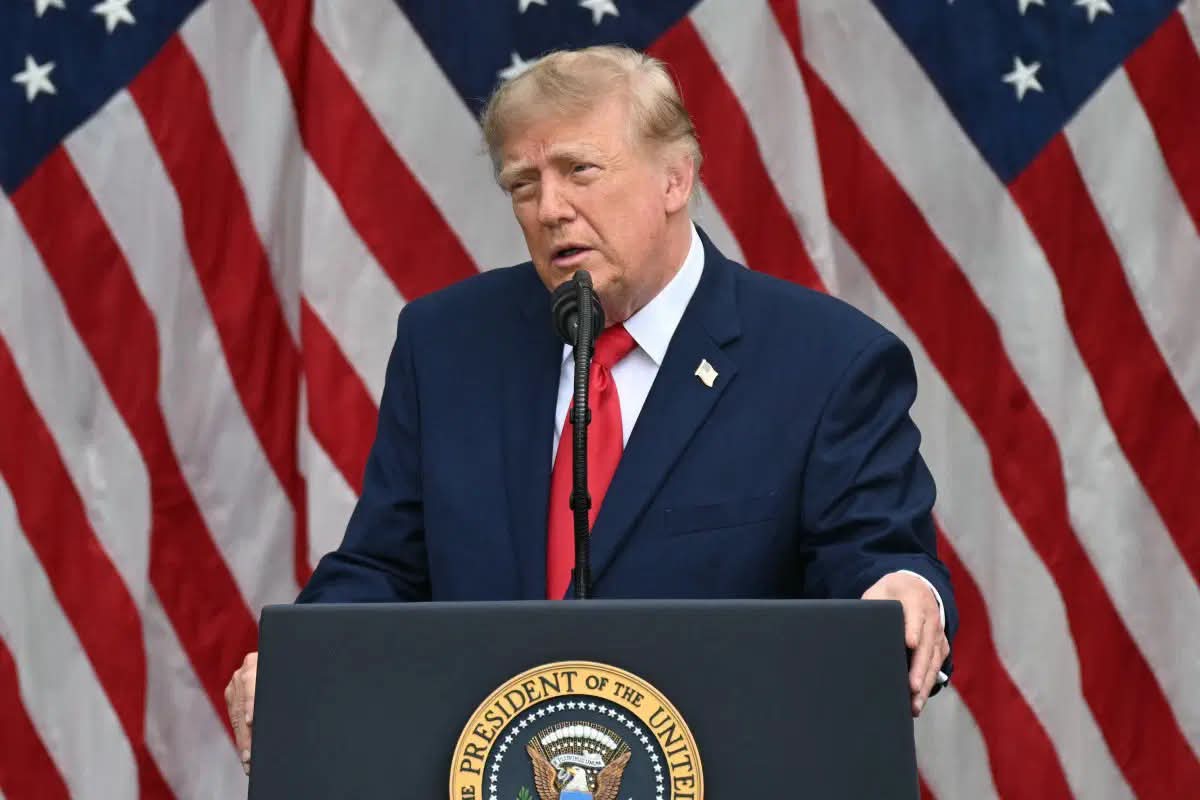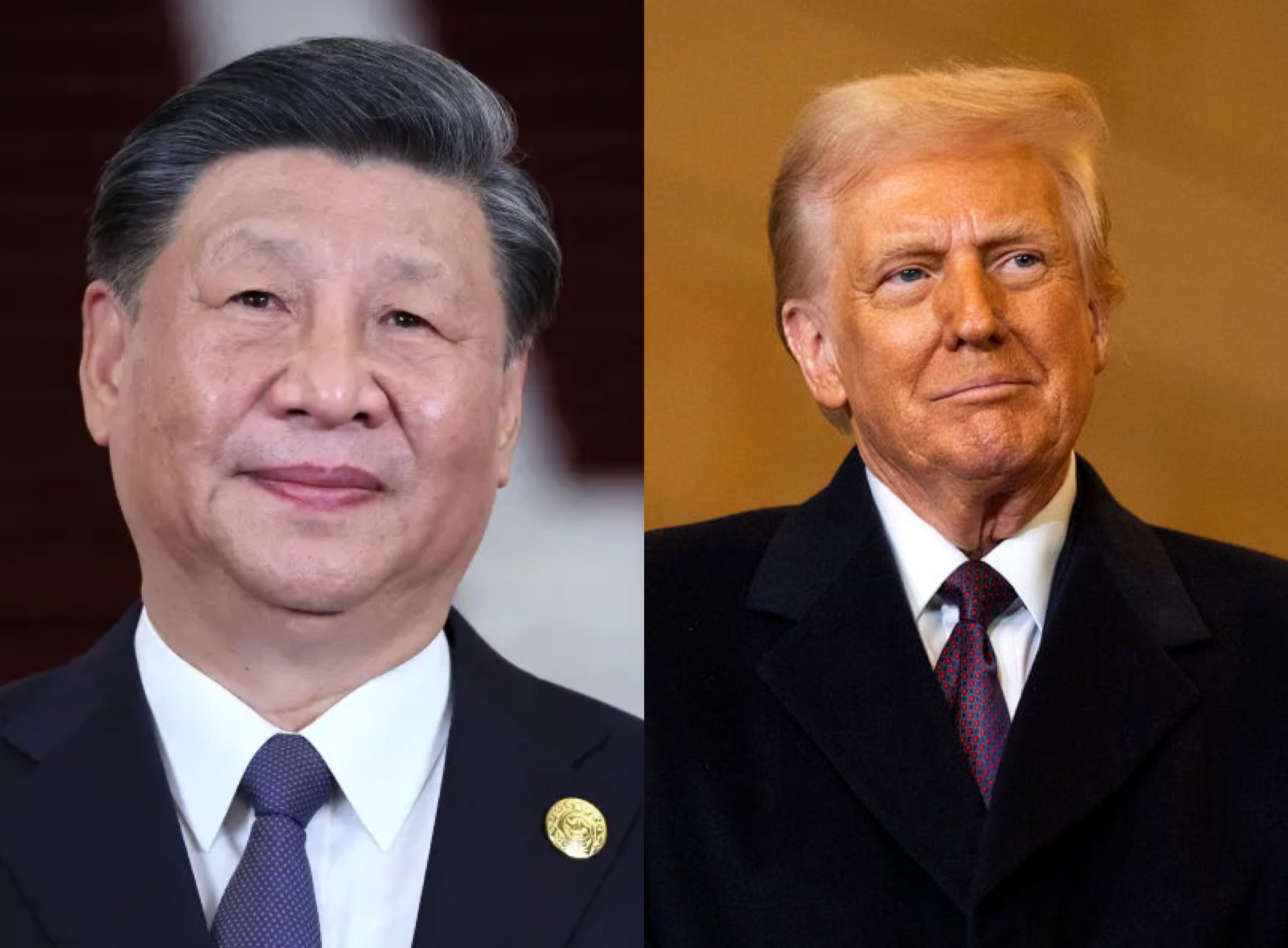
China has expressed its firm support for Nigeria’s government and its efforts to develop the country, following US President Donald Trump’s threat of military action against Nigeria over alleged persecution of Christians.
China’s Foreign Ministry spokesperson, Mao Ning, emphasized that the country opposes any nation’s interference in other countries’ internal affairs under the pretext of religion and human rights.
Mao Ning’s statement underscores China’s commitment to respecting national sovereignty and opposing external interference.
This stance is consistent with China’s historical approach to international relations, prioritizing state sovereignty and non-interference. The spokesperson’s comments also highlight China’s growing ties with Nigeria, a key partner in West Africa.
The US-Nigeria relationship has become increasingly strained following Trump’s designation of Nigeria as a “Country of Particular Concern” due to alleged violations of religious freedom. Nigeria’s government has rejected the designation, emphasizing its commitment to protecting citizens’ rights and respecting religious diversity.
The situation has sparked a heated debate about the role of external actors in promoting human rights and stability in Nigeria. The situation bears watching, as the US-Nigeria relationship and China’s growing influence in the region hang in the balance. How will Nigeria navigate these complex diplomatic waters, and what implications will this have for regional stability and global politics?
What potential consequences do you think Nigeria might face if the US follows through with its threat of military action, and how might this impact the country’s relationships with other global powers?