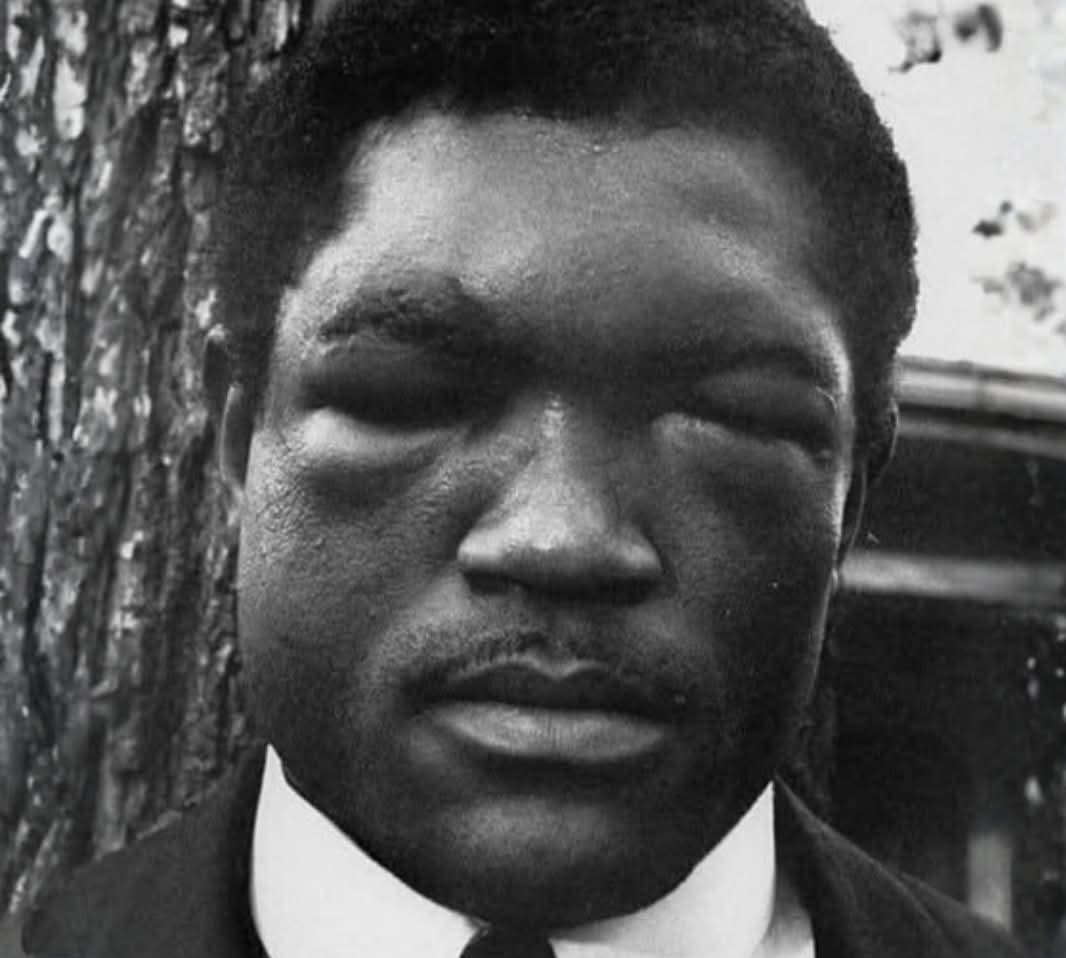
In 1967, Muhammad Ali faced Ernie Terrell in a boxing match that would become a defining moment in his career. The fight was more than just a contest; it was a clash of wills, with Ali determined to assert his identity and demand respect. Terrell’s refusal to acknowledge Ali’s chosen name was a personal affront, and Ali responded with a calculated performance that showcased his boxing prowess.
A Demand for Respect
From the opening bell, Ali dominated the fight, using his quickness and precision to control the pace. However, he chose not to finish the fight quickly, instead opting to deliver a lesson in defiance and assert his dominance over 15 grueling rounds. Ali’s repeated question, “What’s my name?” was a demand for respect, not just from Terrell but from the world at large.
A Symbol of Conviction
The fight against Terrell was a symbol of Ali’s conviction and his refusal to let others define him. In a time of social and political upheaval, Ali’s stance was a powerful statement of identity and self-determination. His victory was not just a win in the ring but a triumph of the human spirit.
A Lasting Legacy
The fight between Ali and Terrell remains one of the most memorable in boxing history, not just for the action in the ring but for what it represented. Ali’s performance was a testament to his strength, conviction, and determination to be recognized as the man he knew himself to be. His legacy continues to inspire generations, a reminder of the power of conviction and the importance of standing up for one’s identity.
The Significance of Muhammad Ali’s Legacy
Muhammad Ali’s legacy extends far beyond his accomplishments in the ring. He was a complex figure, full of contradictions, but his impact on society and culture is undeniable. Ali’s refusal to back down in the face of adversity, his commitment to his faith, and his advocacy for social justice have made him an enduring symbol of courage and conviction.
Ali’s Impact on Social Justice
Ali’s impact on social justice cannot be overstated. He was a vocal critic of racism and inequality, and his activism inspired a generation of civil rights leaders. Ali’s willingness to speak out against injustice, even when it meant facing criticism and backlash, is a testament to his strength and character.
The Power of Conviction
Ali’s conviction was the defining characteristic of his career. He was a man of strong beliefs, and he was willing to stand up for what he believed in, even when it was unpopular. This conviction inspired countless people around the world and continues to inspire new generations.
A Champion Beyond the Ring
Muhammad Ali’s legacy is not just about his accomplishments in the ring; it’s about the impact he had on the world. He was a champion beyond the ring, a symbol of hope and inspiration for millions. His life and career continue to inspire people to stand up for what they believe in and to fight for justice and equality.
The Enduring Legacy of Muhammad Ali
The legacy of Muhammad Ali continues to endure, inspiring new generations with his courage, conviction, and determination. His impact on boxing, social justice, and popular culture is undeniable. As a symbol of resistance and activism, Ali’s legacy will continue to inspire people to stand up for what they believe in and to fight for a more just and equitable world.