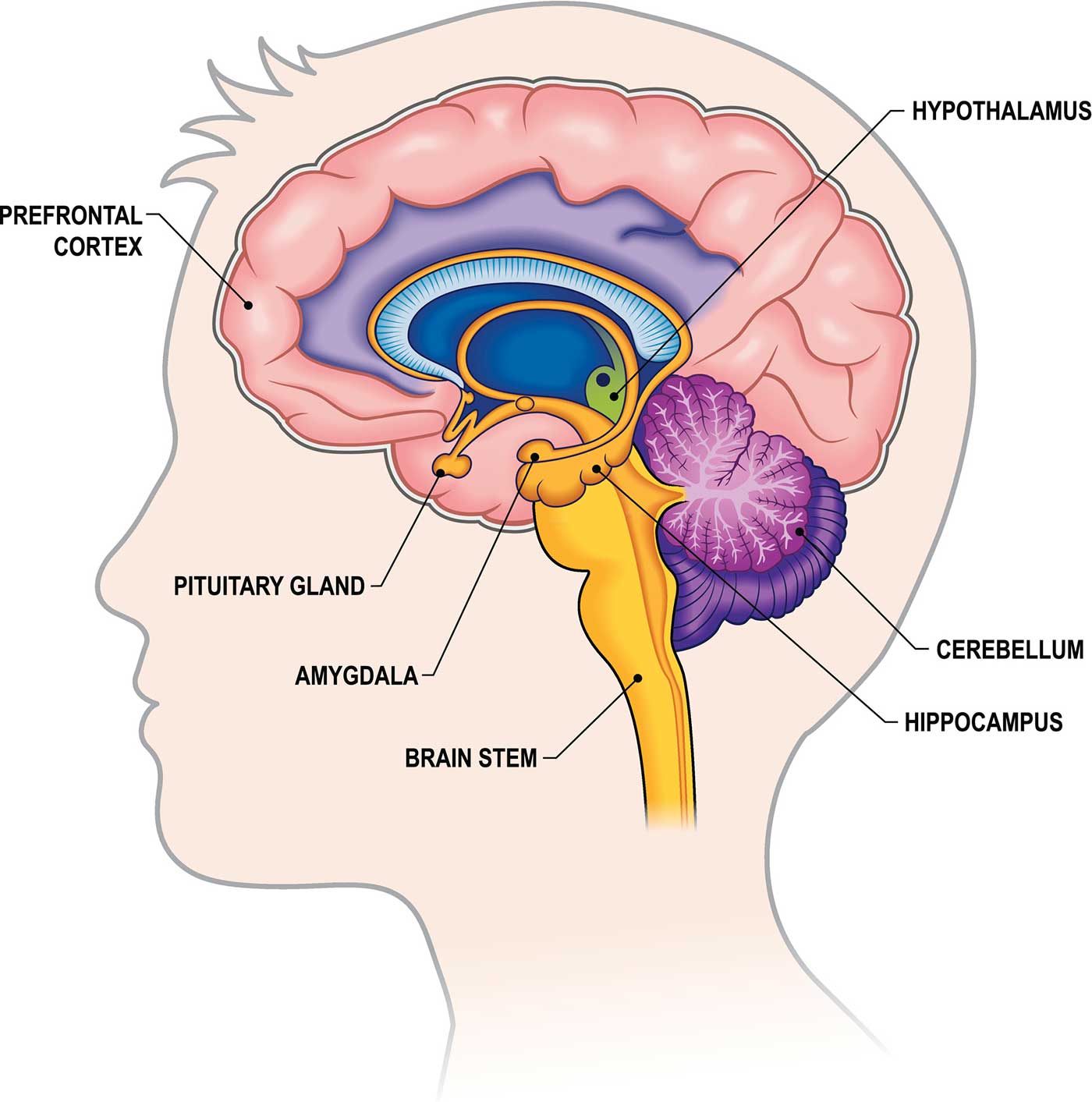
A groundbreaking study published in Frontiers in Cellular and Infection Microbiology has shed new light on the effects of fasting on the brain and gut bacteria. The research revealed that intermittent fasting leads to significant changes in brain areas regulating appetite and addiction, as well as alterations in gut bacteria composition.
The study found that participants who practiced intermittent fasting experienced an average weight loss of 7.6 kilograms (16.8 pounds). Moreover, the researchers observed noticeable changes in the composition of their gut bacteria, particularly with increased presence of beneficial bacteria like Coprococcus comes and Eubacterium hallii.
These changes in gut bacteria were linked to reduced activity in the left inferior frontal orbital gyrus, a brain region involved in controlling food intake. The study suggests that intermittent fasting may promote the growth of beneficial gut bacteria, which in turn produce compounds that influence brain activity related to food intake and impulse control.
The findings highlight the complex, bidirectional communication between the gut and the brain. By altering the gut environment through fasting, individuals may experience changes in brain function, potentially affecting eating behaviors and decision-making processes related to diet.
Overall, the study underscores the numerous benefits of intermittent fasting, including weight loss, improved metabolic health, enhanced brain function, and potential longevity. By incorporating regular periods of fasting into their eating patterns, individuals may experience these benefits and improve their overall well-being.