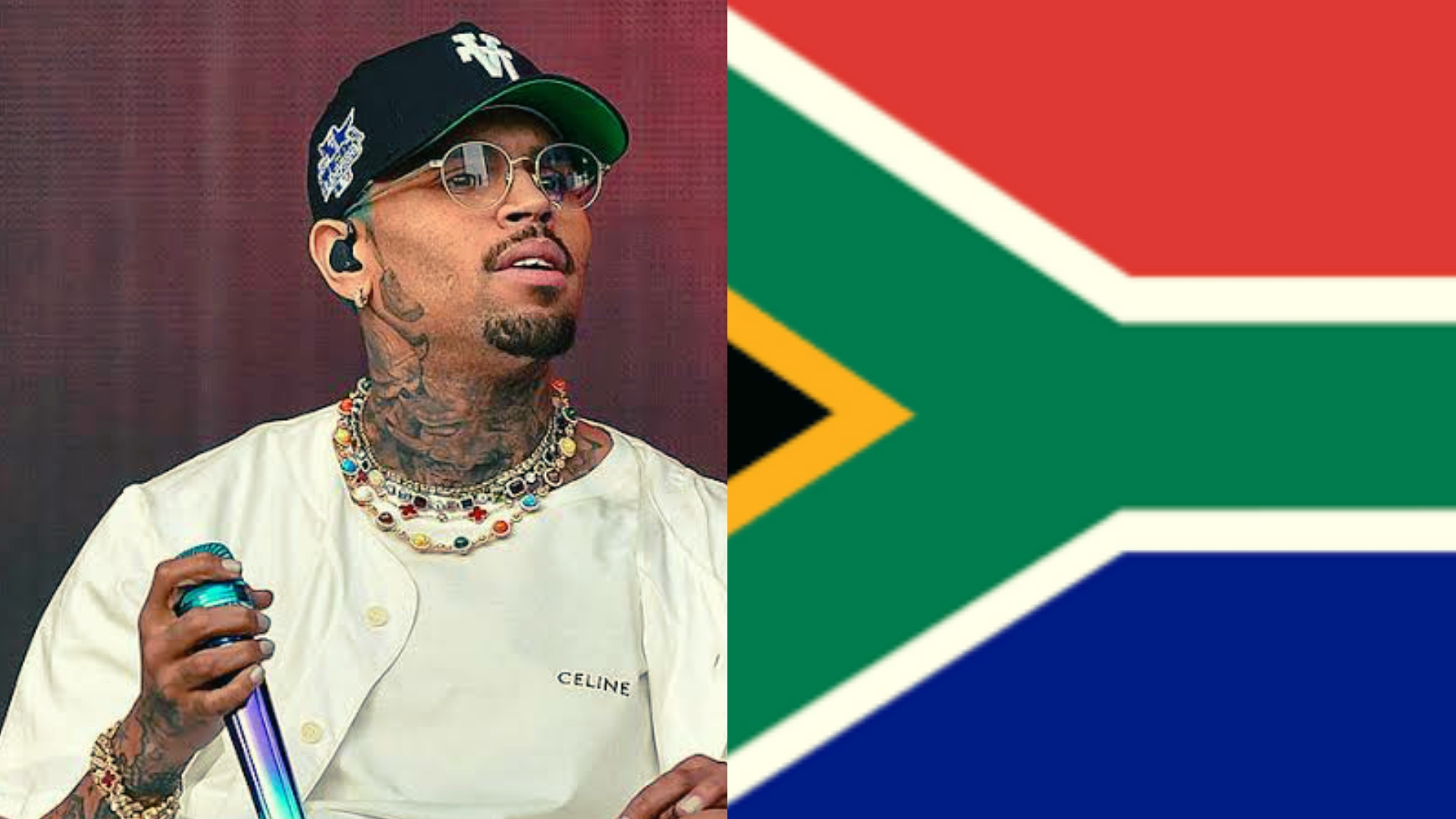
The controversy surrounding Chris Brown’s concert in South Africa highlights a complex intersection of celebrity culture, accountability, and societal values, particularly in a country facing severe gender-based violence. Critics argue that allowing an artist with a history of abuse to perform sends a troubling message about tolerance for such behavior, especially in a nation where femicide rates are alarmingly high.The petition from Women for Change, which has gained significant traction, underscores a growing demand for more responsible decisions regarding public figures.
They emphasize that granting Brown a visa reflects a broader issue of insufficient action against perpetrators of violence, sparking discussions about how society treats abusers in the entertainment industry.On the other hand, supporters of Brown, like Prof Mamokgethi Phakeng, advocate for separating the artist’s music from his past actions. This perspective suggests that engaging with art does not necessarily equate to endorsing the artist’s behavior. The debate thus illustrates a tension between individual rights and collective responsibility in addressing systemic issues like gender-based violence.Ultimately, this situation serves as a microcosm of the ongoing struggle to navigate the complexities of morality, enjoyment, and accountability in contemporary society.
The conversations sparked by this concert may push for deeper reflection on how communities can better address and combat gender-based violence while engaging with cultural products.