









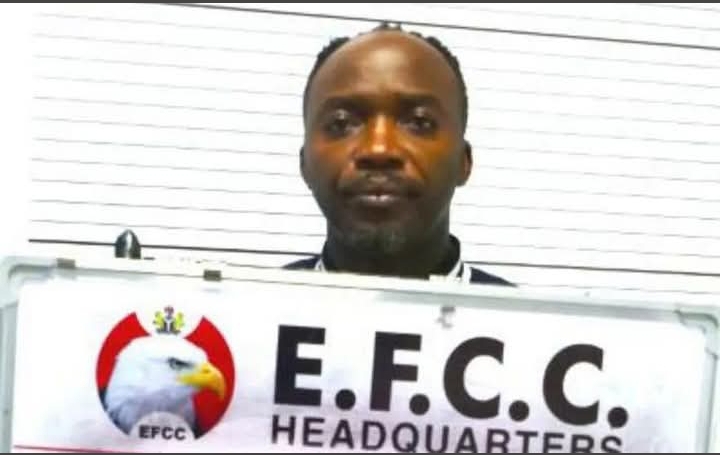
A Federal High Court in Lafia, Nasarawa State, has issued a final forfeiture order for multiple high-value assets connected to the alleged fraudulent activities of a Nigerian clergyman.
The ruling, delivered by Justice M.O. Olajuwon, followed an application by the Economic and Financial Crimes Commission (EFCC).
The court determined that the pastor could not provide credible evidence that the properties were acquired through legitimate means, thereby confirming their status as proceeds of unlawful activities.
The individual involved is Theophilus Oloche Ebonyi, General Overseer of Faith On The Rock Ministry International.
According to EFCC investigations, the assets were funded through a deceptive investment operation run via Theobarth Global Foundation.
Victims were reportedly lured with promises of substantial international grants worth billions of dollars, requiring them to pay various registration and participation fees.
This scheme is said to have defrauded participants of more than ₦1.3 billion.
The forfeited properties include a 23-room hotel and event centre (De Thinkers Home and Apartments), a sachet water production factory, a warehouse, two office buildings, a private primary school (Theo International Academy), and over one million naira in cash from the pastor’s bank account.
This judgment underscores the judiciary’s commitment to recovering illicitly acquired assets and addressing financial crimes that exploit religious or humanitarian platforms.
Legal experts view the decision as a clear affirmation that no individual, regardless of clerical status, is above accountability when reasonable suspicion of unlawful enrichment arises.
It also serves as a timely reminder to the public to remain vigilant against investment opportunities that promise extraordinary returns, particularly when promoted through faith-based or charitable channels.
The ruling contributes to Nigeria’s ongoing efforts to promote transparency and deter exploitation within religious institutions.
