









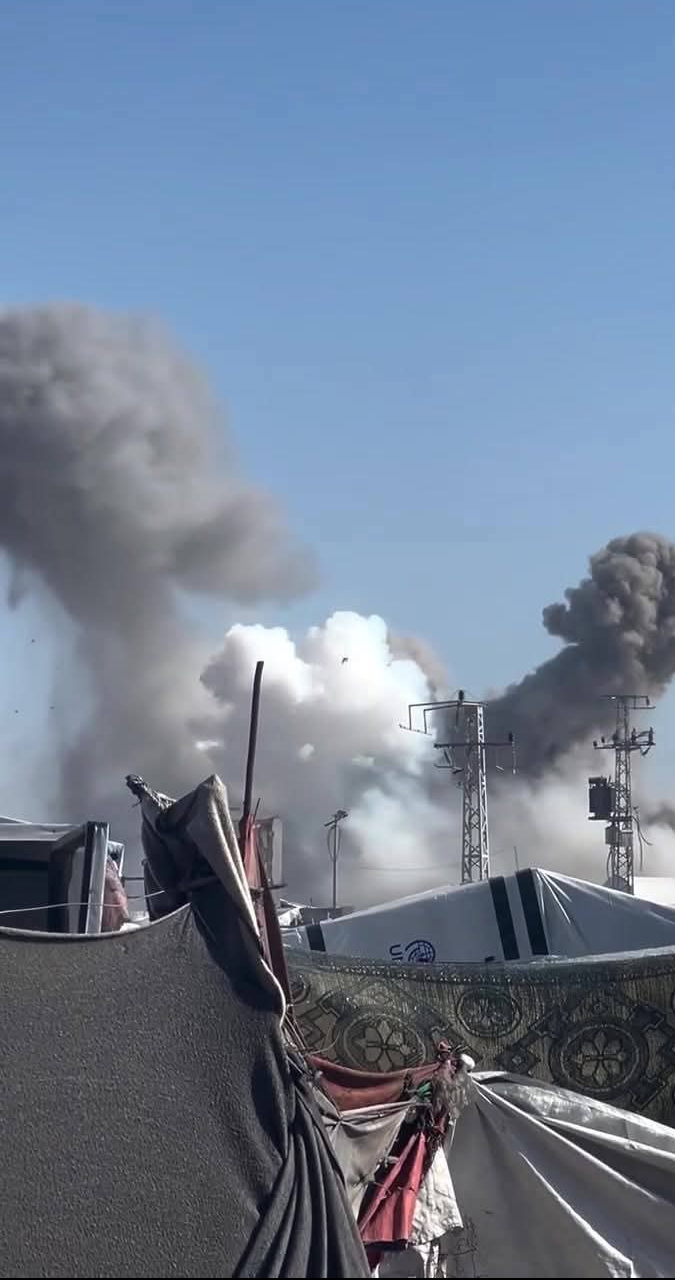
Recent Israeli airstrikes have caused heavy civilian casualties across the Gaza Strip, with Palestinian medical sources confirming at least 12 people killed and approximately 20 others injured.
The attacks struck multiple locations, including a multi-story apartment block in Gaza City and a makeshift tent camp sheltering displaced families in Khan Younis.
Hospitals in the region, including Shifa in the north and Nasser in the south, reported grim details: one strike in Gaza City killed a mother along with her three children and another family member, while a separate attack on tents in Khan Younis sparked a fire that claimed the lives of a man, his three children, and three grandchildren.
These incidents represent one of the highest single-day death tolls since the ceasefire took effect in October 2025, an agreement meant to pause large-scale fighting and allow humanitarian relief to flow more freely.
According to the Gaza Health Ministry—whose casualty counts are routinely accepted as credible by United Nations agencies and various international monitors—more than 500 Palestinians have been killed by Israeli military actions in the months following the truce.
The timing of the latest strikes, coming just before the scheduled reopening of a critical southern border crossing, has intensified worries about the agreement’s stability and the prospects for sustained calm.No immediate statement has been issued by the Israeli military regarding these specific operations, leaving questions unanswered amid a continuing cycle of violence and fragile diplomacy.
The repeated loss of civilian life, especially children and women in densely populated and resource-scarce areas, underscores the acute humanitarian crisis in Gaza and the formidable obstacles that remain in protecting non-combatants while efforts to preserve the ceasefire and restore essential services persist.
