









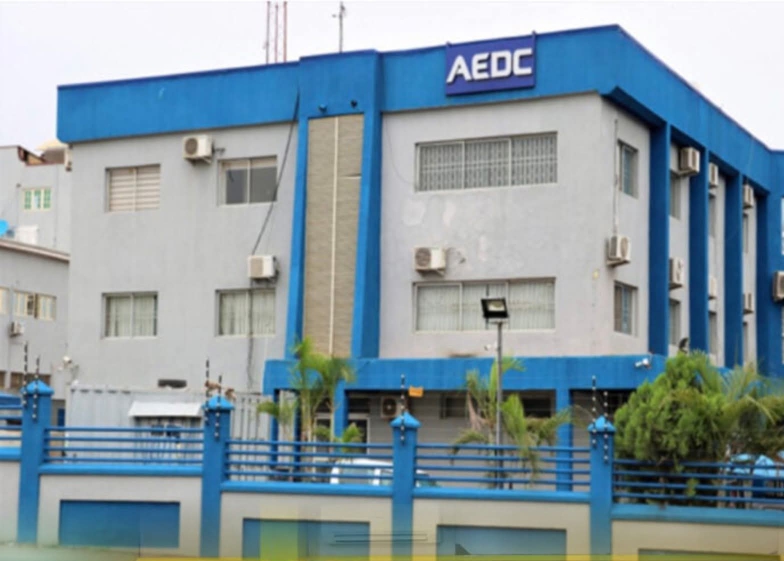
Abuja Electricity Distribution Company (AEDC) announced a major workforce reduction on 5 November 2025, terminating the employment of about eight hundred staff members. The cuts affect operations in the Federal Capital Territory as well as the neighboring states of Kogi, Niger and Nasarawa. Management described the move as part of a broader restructuring aimed at streamlining the utility’s operations.
The decision was framed as a “rightsizing” effort intended to improve efficiency and reduce costs amid persistent revenue shortfalls and operational challenges. AEDC has been struggling with aging infrastructure, low collection rates and mounting debt, and the leadership says the reduction is necessary to reposition the company for more reliable service delivery.Affected employees received formal termination letters dated 5 November 2025, instructing them to complete an exit‑clearance process and return any company property before receiving their final payments.
The unions the National Union of Electricity Employees (NUEE) and the Senior Staff Association of Electricity and Allied Companies (SSAEAC) initially resisted any layoffs, but after negotiations the figure was scaled back from an originally proposed 1,800 to 800.
The sackings have drawn criticism from labour groups, who warn that losing experienced staff could further strain service quality and customer satisfaction, especially in Abuja where power supply is already erratic.
Regulators have also been pressuring AEDC to improve performance, and the company’s licence narrowly avoided suspension last year. AEDC says it will release a formal statement soon and will continue to engage with unions to mitigate the impact on workers while regulators monitor the situation to ensure that cost‑cutting does not compromise electricity supply.
AEDC’s management announced on 5 November 2025 that it would be letting go of roughly eight hundred workers as part of a company‑wide restructuring. The layoffs apply to staff in the Federal Capital Territory and the adjoining states of Kogi, Niger and Nasarawa.
Executives said the reduction is meant to align the workforce with the utility’s current financial realities and to improve overall operational efficiency.The company cited chronic revenue deficits, deteriorating infrastructure and escalating debt as the primary drivers behind the “rightsizing” initiative.
According to an AEDC spokesperson, the utility needs to trim its payroll to match the cash flow it can realistically generate and to meet the expectations of Nigeria’s ongoing power‑sector reforms. The goal, they said, is to create a leaner organization that can deliver better service to customers.
All terminated employees were sent disengagement letters bearing the date of 5 November 2025. The letters outlined the steps required for exit clearance, including the return of any company equipment and the completion of paperwork before final remuneration could be processed.
They also detailed the severance arrangements, which vary by grade but generally include a percentage of annual salary plus several months of basic pay.Union representatives from NUEE and SSAEAC initially opposed any job cuts, arguing that the workforce was already stretched thin. After a series of negotiations, the unions agreed to a reduced figure of eight hundred redundancies, down from the original proposal of eighteen hundred.
Union leaders cautioned that the loss of skilled personnel could undermine the utility’s ability to maintain a stable grid and respond to consumer complaints, particularly given the capital’s already unreliable electricity supply.Industry analysts note that AEDC’s situation mirrors broader challenges facing Nigeria’s electricity distribution sector, where companies contend with low tariff collections, regulatory uncertainty and chronic under‑investment.
While the current downsizing may help AEDC meet short‑term financial targets, there is a risk that it could exacerbate service disruptions at a time when residents are already coping with frequent outages and high tariffs.Looking ahead, AEDC has promised to issue a comprehensive statement outlining its next steps and to continue dialogue with union officials to lessen the impact on workers.
At the same time, regulatory bodies are expected to keep a close watch on the utility’s performance to ensure that cost‑cutting measures do not compromise the quality of electricity supply for millions of customers.